
Short Answer First
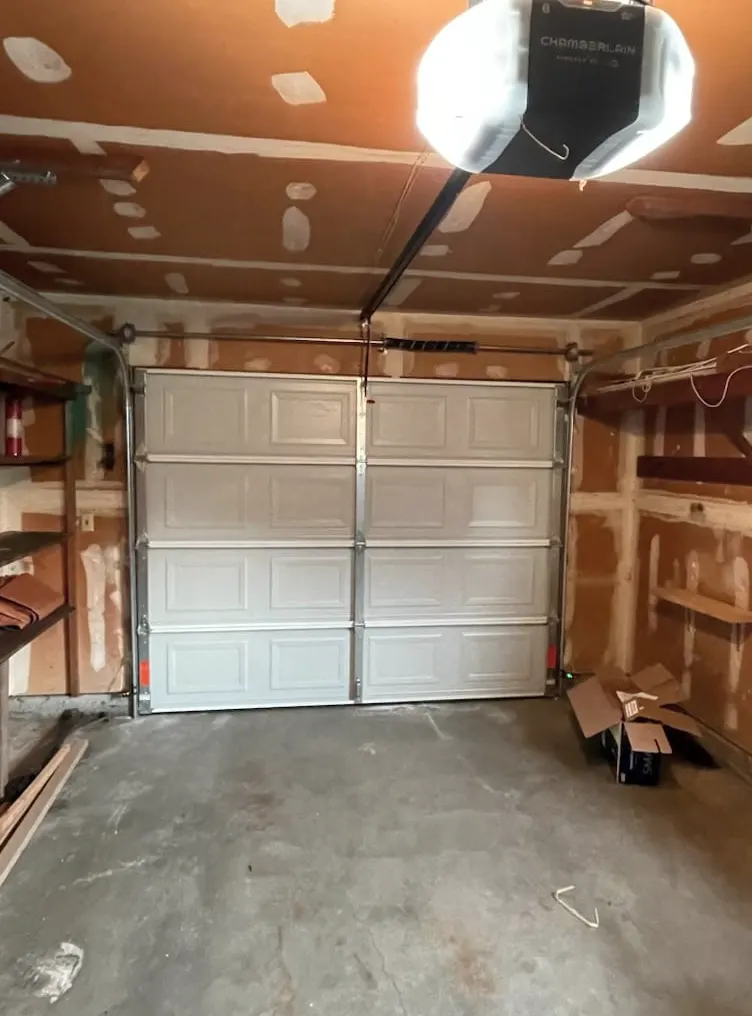
If your garage door opener ignores both the remote and the wall button, the motor unit itself is usually not the problem. In most cases it's one of three things: a power interruption, a misaligned or dirty safety sensor, or a wiring connection that's failed somewhere between the button and the opener. A technician checks those three before ever touching the motor, because they're far more common than an actual opener failure — especially in a coastal garage where humidity and salt air get into places they shouldn't.
What This Usually Looks Like
Before getting into causes, it helps to know what you're actually seeing, since the symptom tells you where to start:
- No response at all — no light, no click, no hum. This points to power.
- The light on the opener blinks but the door doesn't move — this almost always means the safety sensors.
- You hear a click but nothing happens — this can be a wiring or board issue, or a worn-out motor component.
- The wall button works but the remote doesn't (or the reverse) — this is a different problem and usually isolated to that one device, not the whole system.
1. Power First
This sounds obvious, but it's the first thing checked because it's the most common fix. Garage circuits are frequently on a GFCI outlet, and those trip easily in humid environments — afternoon downpours and salt-heavy air both encourage nuisance tripping. Check the outlet, reset the breaker if needed, and confirm the opener's power cord is seated fully. If the outlet trips again right after resetting, that's a wiring or moisture issue worth having an electrician look at, not something to keep resetting manually.
2. Safety Sensors
If power is fine, the photo-eye sensors near the bottom of the tracks are next. These two small units talk to each other across the doorway, and if that beam is broken — by dirt, spiderwebs, a stray garden hose, or sensors that have drifted out of alignment — the opener will refuse to respond to any command at all, remote or wall button. This is by design: it's a safety feature, not a malfunction.
The fix is usually quick: wipe both lenses clean, check that neither sensor has been bumped out of position, and make sure the indicator lights on both units are solid rather than flickering. Coastal humidity can also corrode the small wire connections at the sensor base over time, which shows up as an intermittent fault rather than a constant one.
3. Wiring to the Wall Button
If the sensors check out, the next stop is the low-voltage wire running from the wall button to the opener head. This wire is thin and often stapled along a wall or ceiling where it can get nicked, pinched, or corroded at the terminal screws. In humid garages near the water, those terminal connections can oxidize enough to break the signal without any visible damage to the wire itself. The fix involves detaching the wires, cleaning or trimming the ends, and reseating them firmly — sometimes with a dab of dielectric grease to slow future corrosion.
4. Remote Programming and Battery
If the wall button works fine but the remote doesn't, this is where to look: a dead battery, a remote that's lost its programming (common after a power outage or a reset), or interference from a nearby device. Reprogramming takes a few minutes by following the opener's learn-button sequence. If multiple remotes have stopped working at once, that points back to the receiver inside the opener rather than the remotes themselves.
5. The Logic Board
When power, sensors, and wiring all check out but the opener still won't respond, the circuit board inside the motor unit is the likely culprit. Boards can fail from age, from a power surge during a storm, or from moisture that's worked its way into the housing over a humid season. This isn't a DIY repair — it usually means replacing the board or the opener itself, depending on the unit's age.
6. Motor or Drive Mechanism
Last on the list, because it's the least common cause of total non-response: a stripped gear or failed drive component inside the motor. This usually comes with other warning signs first, like grinding noises or a door that moves partway and stops.
When to Call Madeira Beach Garage Door
If you've checked the outlet and wiped down the sensors and the opener still won't respond, it's time to call. We'll track down whether it's a wiring fault, a failed board, or a sensor that's corroded past cleaning, and if the unit is old enough that repair isn't worth it, we handle garage door opener installation with equipment rated for coastal wind and humidity conditions. We also offer preventive maintenance and tune-ups that catch corroded connections and misaligned sensors before they leave you stuck outside your own garage.
If your opener in Madeira Beach, FL is ignoring the remote, the wall button, or both, call Madeira Beach Garage Door for same-day diagnosis and repair.